
Feeding Therapy

Helping children and adults build safe, confident feeding skills
At Changing Tides, we provide feeding therapy for infants, children, and adults experiencing feeding and swallowing difficulties. Our team uses evidence-based, family-centred approaches to support safe eating, improve nutrition, and create positive mealtime experiences.
We offer feeding therapy services across the Central Coast (Berkeley Vale) and Northern Beaches (Brookvale), as well as via telehealth and mobile visits.
What is Feeding Therapy?
Feeding therapy is a specialised service that supports individuals who have difficulty eating, drinking, or swallowing.
This may include:
- Limited food variety (picky eating)
- Sensory-based feeding challenges
- Difficulty chewing or swallowing (dysphagia)
- Mealtime anxiety or refusal
- Delayed oral motor skills
Our speech pathologists assess the underlying causes and develop personalised therapy plans to improve feeding skills safely and effectively.
Who Can Benefit from Feeding Therapy?
Feeding therapy can support individuals across the lifespan, including:
Infants and Children
- Prematurity or early feeding challenges
- Picky eating or food aversions
- Difficulty transitioning to solids
- Sensory processing differences
- Autism spectrum disorder
Adolescents and Adults
- Dysphagia (swallowing difficulties)
- Neurological conditions (e.g. stroke, Parkinson’s disease)
- Injury or illness impacting swallowing
- Age-related feeding changes
Many feeding difficulties are linked to medical, developmental, or sensory factors, which is why a comprehensive assessment is essential.
They may be associated with various disabilities, medical conditions or developmental delays including:
- Prematurity
- Failure to thrive
- Sensory processing disorder (SPD)
- Cerebral palsy
- Congenital syndromes (e.g. Down Syndrome)
- Cleft lip and palate
- Congenital cardiac conditions
- Gastroesophageal reflux
- Autism/pervasive developmental disorders
- Stroke
- Brain injury
- Spinal cord injury
- Parkinson’s disease
- Multiple sclerosis
- Motor Neuron Disease (MND)
- Muscular dystrophy
- Alzheimer’s disease
- General aging
Signs You May Need Feeding Therapy
You or your child may benefit from feeding therapy if you notice:
- Gagging, coughing, or choking when eating
- Strong food preferences or refusal of entire food groups
- Mealtimes that are stressful or prolonged
- Difficulty progressing through food textures
- Limited diet impacting nutrition or growth
- Reliance on tube feeding or supplements
Early support can make a significant difference in long-term feeding success.
Our Feeding Therapy Services:

Breast/bottle feeding

Picky Eaters

Food Texture Transition

Feeding Tube Weaning

Adult dysphagia
Our Approach to Feeding Therapy
At Changing Tides, our feeding therapy approach is:
- Family-centred – empowering parents and caregivers
- Evidence-based – using proven therapy methods
- Holistic – addressing sensory, motor, and medical factors
- Collaborative – working with dietitians, OTs, and medical teams
We focus on creating positive, pressure-free mealtime experiences that support long-term success.
What to Expect
Your feeding therapy journey may include:
- Comprehensive feeding assessment
- Individualised therapy plan
- Regular therapy sessions
- Home strategies and parent coaching
- Ongoing progress monitoring
Our goal is to help individuals feel confident, safe, and successful with food.
Book a Feeding Therapy Assessment
If you’re concerned about feeding or swallowing, early support can help.
Contact Changing Tides today to book a feeding therapy assessment on the Central Coast or Northern Beaches.
Contact Changing Tides
Would you like to find out more information? Submit your questions and we'll get back to you as soon as we can. We look forward to hearing from you!
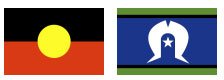
Indigenous Acknowledgment
Changing Tides acknowledges the Traditional Custodians of country throughout Australia and their connections to land, sea and community. We pay our respect to their Elders past and present and extend that respect to all Aboriginal and Torres Strait Islander peoples today.